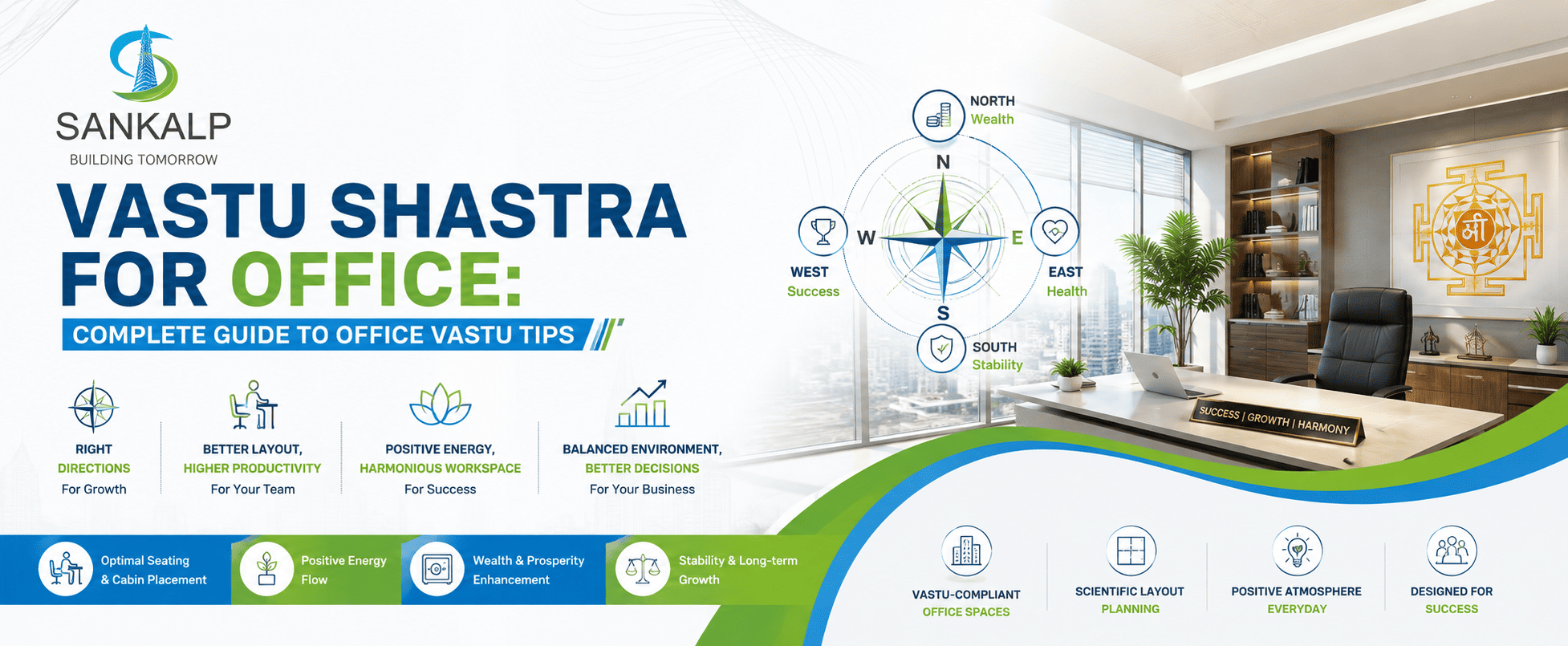
Vastu Shastra for Home: Best Directions, Layout and Tips
Vastu Shastra for Home is the traditional Indian practice of arranging a house in harmony with the directions and natural elements. Many families believe the layout of their home shapes its peace, health and prosperity. The practice guides where each room sits, which way the entrance faces, and how energy is thought to flow through the space. This in-depth guide explains the main principles in simple terms, room by room, so you can apply what suits your home.
One honest note first. Vastu Shastra is a traditional belief system from ancient Indian architecture, not a proven science. Many people find its guidance meaningful and calming. Much of its advice, such as good light, fresh air, cross-ventilation and tidiness, is simply sensible for any comfortable home. Treat what follows as time-honoured tradition, not a guarantee of results.
What is Vastu Shastra for a home?
Vastu Shastra is an ancient tradition of design. It links the eight directions and the five natural elements to the wellbeing of the people living in a space. The word relates to dwelling and structure. For centuries it has guided the building of homes, temples and public buildings across India.
Applied to a house, Vastu Shastra for Home focuses on a few key things. These are the direction the home faces, where the main entrance sits, and where each room is placed. The aim, according to Vastu, is a home that feels balanced, positive and welcoming.
The eight directions in Vastu
Vastu is built around the eight directions, each with its own quality in the tradition.
| Direction | Vastu association | Best used for |
|---|---|---|
| North | Wealth (Kuber) | Entrance, living room, water sources |
| East | Health, new energy | Entrance, windows, living room |
| North-east (Ishan) | Most sacred, clarity | Pooja room, kept open and clean |
| South-east (Agni) | Fire | Kitchen |
| South | Strength | Storage, staircase |
| South-west (Nairutya) | Stability | Master bedroom, heavy furniture |
| West | Gains | Children's room, dining |
| North-west (Vayavya) | Movement | Guest room, toilets |
According to Vastu Shastra, placing each room in its favoured direction is believed to keep the home's energy balanced.
Best direction for a house as per Vastu
A common question in Vastu Shastra for Home is which facing is best. In the tradition, north and east-facing homes are especially valued.
- North-facing homes are linked with Kuber, the deity of wealth, and are popular for prosperity
- East-facing homes catch the morning sun and are tied to health and fresh energy
- West-facing homes are perfectly good, and a west-facing house Vastu setup works well with the right internal layout
- South-facing homes are also workable; a south-facing house Vastu plan is fine with a correctly placed entrance
No facing is unlucky in itself. The internal layout and the entrance placement matter far more than the overall direction.
Vastu for the home entrance
The main entrance is the most important feature in Vastu Shastra for Home. It is seen as the mouth through which energy enters.
- The home entrance as per Vastu is best placed in the north, east or north-east
- Keep the entrance well-lit, clean and welcoming
- Use a solid, good-quality door, ideally of wood
- Add a threshold, a nameplate or a rangoli for a positive first impression
- Avoid clutter, shoe racks or dustbins right at the doorway
For the entrance of house as per Vastu, avoid too many doors in a straight line. This is believed to let energy rush through too quickly.
Vastu for the kitchen
The kitchen belongs to the fire element, so its direction matters greatly.
- The kitchen as per Vastu sits best in the south-east, the fire corner (Agni)
- If the south-east is not possible, the north-west is the next choice
- The cook should face east while cooking
- Avoid the kitchen in the north-east or south-west
- Keep the kitchen and toilet from sharing a wall
Kitchen Vastu Shastra also suggests keeping electrical appliances, like the stove and oven, toward the south-east of the kitchen itself.
Vastu for the bedroom
Rest and stability guide bedroom placement in the tradition.
- The master bedroom as per Vastu belongs in the south-west, the zone of stability
- Sleep with your head pointing south or east for sound rest
- Children's bedrooms suit the west or north-west
- Avoid a mirror directly facing the bed
- Keep heavy furniture like wardrobes in the south or west
Bedroom Vastu is really about a calm, settled space, which is sensible for good sleep whatever your beliefs.
Vastu for the pooja room
The pooja room is the most sacred space in a Vastu home.
- The pooja room as per Vastu belongs in the north-east (Ishan), the most spiritual corner
- Idols are placed so those praying face east or north
- Use light colours like white, cream or light yellow
- Keep the room clean, calm and uncluttered
- Never place the pooja room in a bedroom, under a staircase, or next to a toilet
Can a pooja room face north? Yes. North and east are both suitable, with the north-east considered ideal.
Vastu for bathrooms and toilets
Bathrooms carry the water element and need careful placement.
- The bathroom as per Vastu suits the north-west or west
- Avoid toilets in the north-east and the south-west, and in the centre of the home
- Ensure good ventilation and light
- Keep the bathroom from sharing a wall with the kitchen or pooja room
Careful bathroom Vastu is partly practical too, since good drainage and ventilation matter in any home.
Vastu for the staircase
Staircases represent weight, so their placement follows clear rules.
- The staircase suits the south, west or south-west
- Avoid a staircase in the north-east corner, which is kept light
- Stairs should ideally rise clockwise
- Use an odd number of steps
- Do not use the space under the stairs for a pooja room or kitchen
For an east-facing house staircase Vastu, the south-east or north-west also works well.
Room-by-room Vastu at a glance
Here is a quick reference for the whole home.
| Room | Best direction (Vastu) |
|---|---|
| Main entrance | North, east or north-east |
| Living room | North, east or north-east |
| Kitchen | South-east (or north-west) |
| Master bedroom | South-west |
| Children's bedroom | West or north-west |
| Pooja room | North-east |
| Bathroom and toilet | North-west or west |
| Staircase | South, west or south-west |
| Dining room | West |
| Water tank or borewell | North-east |
Top Vastu tips for a positive home
If you cannot change the structure, these Vastu Shastra for Home tips help, and most are common sense too.
- Keep the north-east (Ishan) light, open and clean
- Keep the centre of the home (Brahmasthan) free of heavy obstruction
- Place heavy furniture in the south-west
- Use natural light and cross-ventilation throughout
- Fix broken lights, taps and fittings promptly
- Add healthy plants like Tulsi on the north or east side
- Use light, calm wall colours and avoid heavy dark tones
Common Vastu mistakes to avoid
A few placements are best avoided in the tradition.
- A toilet, shoe rack or heavy storage in the north-east
- A kitchen in the north-east or directly above or below the pooja room
- A staircase in the north-east corner
- A mirror facing the bed or the main door
- Sleeping with your head to the north
- A cluttered, dark or blocked entrance
How to check the Vastu of your home
Checking the Vastu Shastra for Home layout is straightforward with a compass.
- Stand at the centre and note the direction of the main entrance
- Map where the kitchen, master bedroom, pooja room and toilets sit
- Compare this with the room-by-room chart above
- Note whether the north-east and the centre are open and clean
If some rooms do not match, gentle remedies like light colours, plants, better lighting and decluttering are the usual first steps. For a detailed reading, some families consult a Vastu expert.
Choosing a Vastu-friendly home in Jaipur
Applying Vastu is far easier when the home is well planned from the start. When buying, look for a good entrance direction, well-placed rooms, and plenty of light and ventilation.
- Spectrum 21, Vaishali Nagar: a 21-floor development in an established, well-serviced belt, where buyers can choose from a range of configurations and pick a unit with a favourable layout and good light
- The Index, Jagatpura: a commercial and mixed-use development in a fast-growing corridor, suited to those combining home and business interests
Families comparing 3 BHK flats in Vaishali Nagar, or larger 5 BHK flats in Vaishali Nagar, can look for units where the entrance, kitchen and bedrooms fall in favourable directions. The same applies to 3 BHK flats in Jagatpura and other apartments in Jaipur. Among the top builders in Jaipur, those planning open, well-lit, well-ventilated homes make it much easier to follow Vastu principles.
Conclusion
Vastu Shastra for Home is about creating a house that feels calm, balanced and welcoming. Place the entrance in the north or east, the kitchen in the south-east, the master bedroom in the south-west, and the pooja room in the north-east. Keep the north-east and the centre open, use light colours, and let in plenty of air and sunlight. Remember that no facing is unlucky, and that these are meaningful traditions rather than guarantees. Choose a well-planned home, apply the tips that fit, and you create a space that supports comfort and peace of mind.

Anil Shah
The Anil Shah editorial team writes about Jaipur real estate - market trends, home-buying guides, RERA updates and investment insights - drawing on 25+ years of building landmark residential and commercial projects across the city.
Looking for your dream property in Jaipur?
Explore RERA-certified homes & commercial spaces by Sankalp Group. Book a free site visit today.