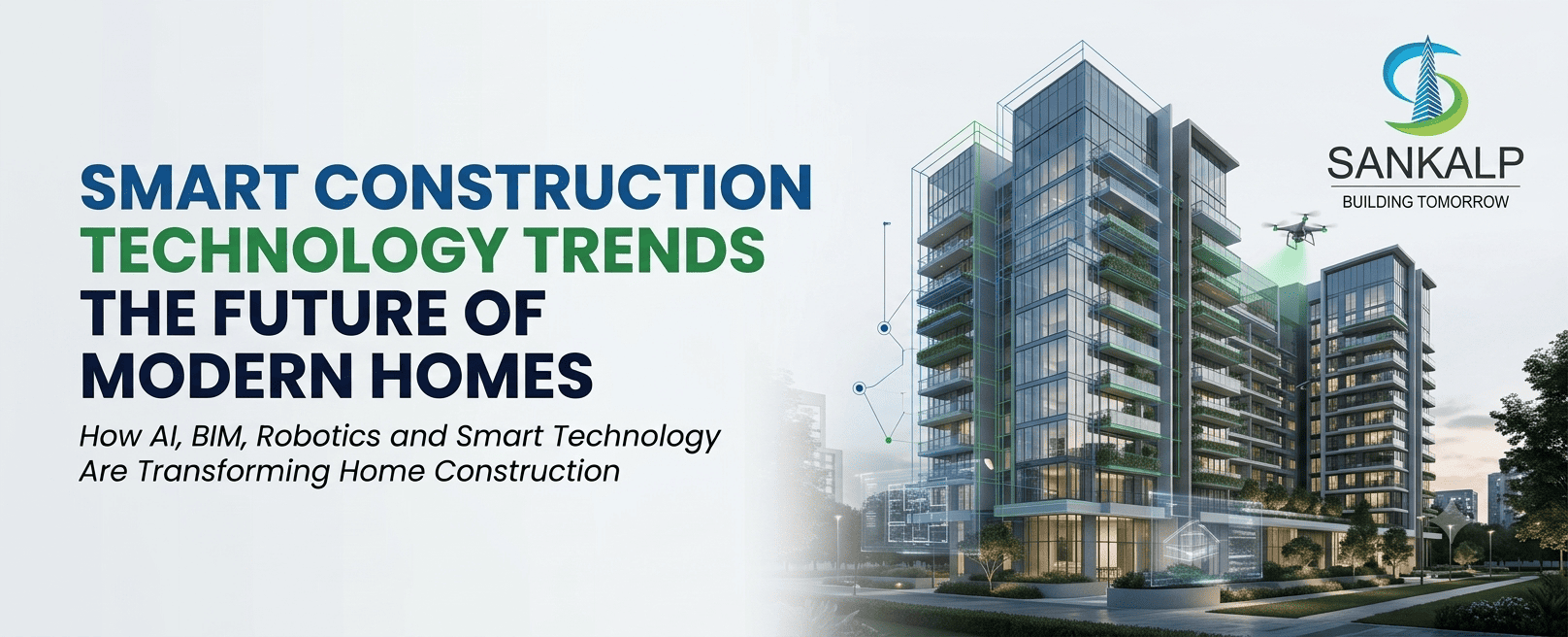
Smart construction technology is changing how homes are designed, built and lived in. It means using tools like artificial intelligence, robotics, digital modelling and connected sensors to build faster, safer and to a higher standard than traditional methods allowed. For a homebuyer, this matters in a direct way: a better-built home needs less repair, uses less energy and stays comfortable for longer. This guide walks through the main trends in plain language and what each one means for you.
What Smart Construction Means
Traditional homebuilding relied on paper drawings, manual labour and a lot of fixing mistakes after they happened. Smart construction plans and checks everything digitally first, so fewer errors reach the site. The result is more predictable timelines, tighter quality and safer sites.
Artificial Intelligence in Construction
AI helps builders plan projects and spot trouble early.
- It plans schedules and predicts delays before they happen
- It flags safety risks on site
- It allocates materials and labour more efficiently
- It monitors quality against the approved plan
Catching a delay or a defect early is far cheaper than fixing it later, which is where AI earns its place.
Building Information Modeling
BIM is a detailed 3D digital model of a building used through design and construction. Architects, engineers and contractors all work from the same model, so a clash between the plumbing and the beams shows up on screen rather than on site. It has become standard practice for serious projects because it prevents expensive mistakes.
Robotics and Automation
Robots now handle repetitive site work such as bricklaying, material handling and surveying. They work consistently, speed up construction and take on tasks that are dangerous for people, which improves site safety.
3D Printing in Home Construction
3D printers can build walls and structural parts by layering material precisely. The promise is less waste, faster building and, in time, more affordable housing. In India this is still early, but pilot projects show real potential.
Prefabrication and Modular Construction
Here, building parts are made in a factory and assembled on site.
- Projects finish faster, since factory work continues in any weather
- Quality is more consistent, because parts are made in controlled conditions
- Material waste drops sharply
For anyone waiting on possession, prefabrication can shorten the timeline noticeably.
Drones and Aerial Technology
Drones survey land, map sites, track construction progress and carry out safety inspections from above. For large projects, they have quietly become a standard tool, giving builders a clear view that a ground inspection cannot.
Digital Twins in Modern Buildings
A digital twin is a live virtual copy of a real building, fed by sensors. It lets managers monitor performance, predict maintenance before something breaks, and manage energy and water efficiently. It is one of the smart construction technology trends gaining ground fastest in large buildings.
IoT and Smart Building Technology
Connected sensors placed through a building track temperature, water and electricity in real time. They enable smart energy management and give managers live data on how the building is performing, which helps catch problems early and cut running costs.
Smart Home Features
Where construction and technology meet inside your flat, the result is a smart home.
- Smart lighting and thermostats that adjust automatically
- Automated appliances
- Smart locks and voice-controlled systems
- Energy monitoring that shows where power is going
These features are moving from luxury towers into mid-range apartments in Jaipur and across Indian cities.
Smart Security Systems
Modern security is connected and monitored rather than just a guard at the gate.
- AI-powered CCTV that flags unusual activity
- Smart access control and video doorbells
- Visitor management with app approval
- Real-time alerts and integrated emergency systems
Sustainable Construction Technology
Green building is becoming central rather than optional.
- Energy-efficient materials
- Solar power integration
- Rainwater harvesting and water recycling
- Waste reduction during construction
Property in Jaipur that uses these features runs cheaper and copes better with water shortages and rising power costs.
Advanced Construction Materials
New materials are quietly improving how buildings last.
- Self-healing concrete that seals small cracks
- Low-carbon concrete with a smaller footprint
- Insulated materials that keep homes cooler
- Recycled materials and energy-efficient glass
Virtual and Augmented Reality
VR lets buyers walk through a home before it is built, while AR helps visualise interiors and layouts in a real space. For under-construction homes, this helps you understand what you are actually buying.
Construction Safety Technology
Wearable devices monitor workers, AI detects hazards, and automated systems send safety alerts in real time. Safer sites also tend to mean better-run projects overall.
Benefits for Homebuyers
Smart construction technology can potentially give you:
- Better planning and fewer delays
- Tighter quality control
- Greater energy efficiency and lower bills
- Lower maintenance needs
- Better safety and more comfortable living
Challenges and Limitations
A balanced view means noting the downsides too.
- Higher initial costs for the technology
- A need for skilled professionals to run it
- Data privacy and cybersecurity concerns with connected systems
- Slow adoption across parts of the industry
- Ongoing maintenance of smart systems
The Future of Smart Construction in India
PropTech and ConTech are growing quickly, driven by smart city plans, demand for sustainable homes and developers adopting new tools. Over the next five to ten years, expect connected communities, greener buildings and more technology as standard rather than a premium extra. Among the top builders in Jaipur, those adopting these methods early are setting the pace.
What Homebuyers Should Look For
A simple checklist when comparing projects:
- Smart home infrastructure and wiring
- Energy efficiency and solar provision
- Security technology
- Water management, including harvesting and recycling
- Genuine construction quality, not just gadgets
- The builder's track record with technology
- Long-term maintenance costs
When you compare flats in Jaipur, treat technology as one factor alongside location, price and the builder's record, not as a replacement for checking those basics.
FAQs
1. What is smart construction technology?
It is the use of tools like AI, BIM, robotics, prefabrication and connected sensors to build homes faster, safer and to a higher, more consistent standard than traditional methods.
2. Does smart construction make homes more expensive?
The technology can raise initial costs, but it often lowers running and maintenance costs through better energy efficiency and quality, so the lifetime cost can be lower.
3. Is 3D printing used for homes in India?
Only in early and pilot forms so far. It shows real promise for faster, lower-waste and more affordable building, but it is not yet mainstream.
4. What should I check about technology before buying a flat?
Look at smart home wiring, energy and water systems, security technology and the builder's construction quality, and weigh the long-term maintenance costs of any smart systems.

Anil Shah
The Anil Shah editorial team writes about Jaipur real estate - market trends, home-buying guides, RERA updates and investment insights - drawing on 25+ years of building landmark residential and commercial projects across the city.


Looking for your dream property in Jaipur?
Explore RERA-certified homes & commercial spaces by Sankalp Group. Book a free site visit today.